Happy Morning Piles Clinic

Anal Fistula Treatment in Bangalore

Advanced and minimally invasive treatment options for safe and effective healing..

  • Expert Colorectal Surgeon
  • Advanced Laser Technolog
  • Minimally Invasive Options
UNDERSTAND

What is Anal Fistula?

An anal fistula, also called fistula-in-ano, is a tunnel connecting the skin near the anus to the inside of the bowel (usually the rectum). This means that the inside of the bowel is connected to the outside of the body through an additional opening. An anal fistula often results from a previous or current anal abscess. A fistula can also occur without an abscess.
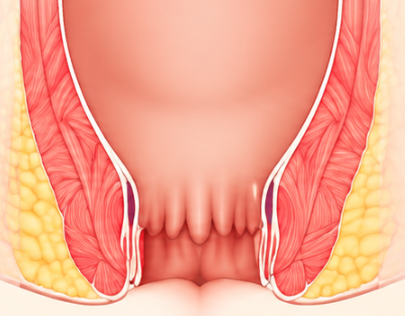
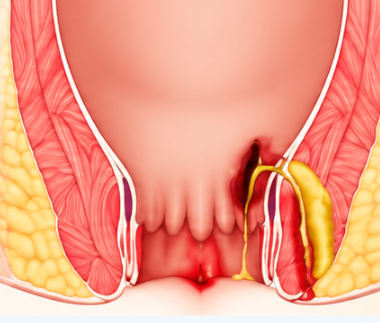
Normal Anal Canal Anatomy
Normal Anal Canal
Anal Fistula Medical Illustration
Anal Fistula

Types of Fistula in Ano

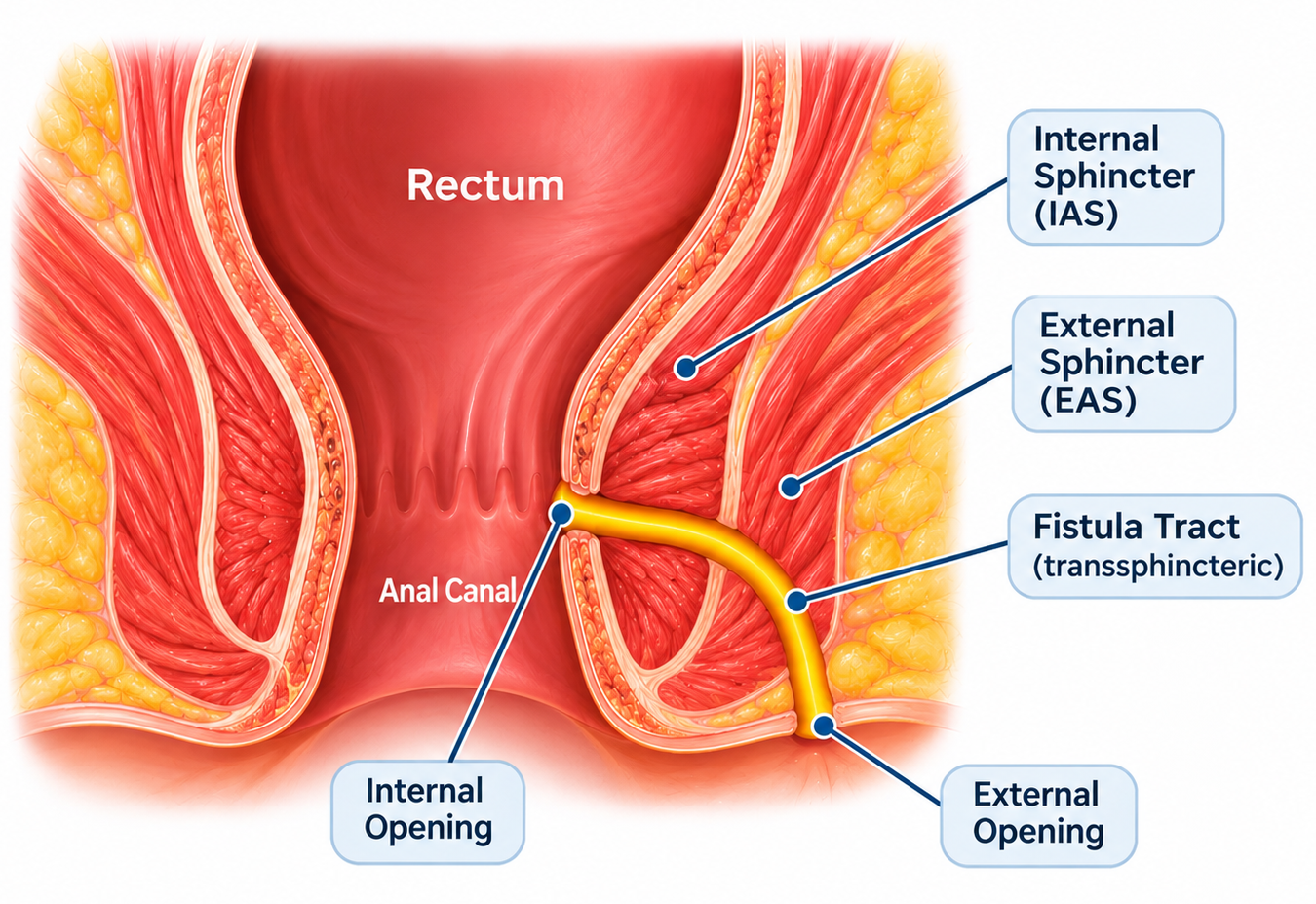
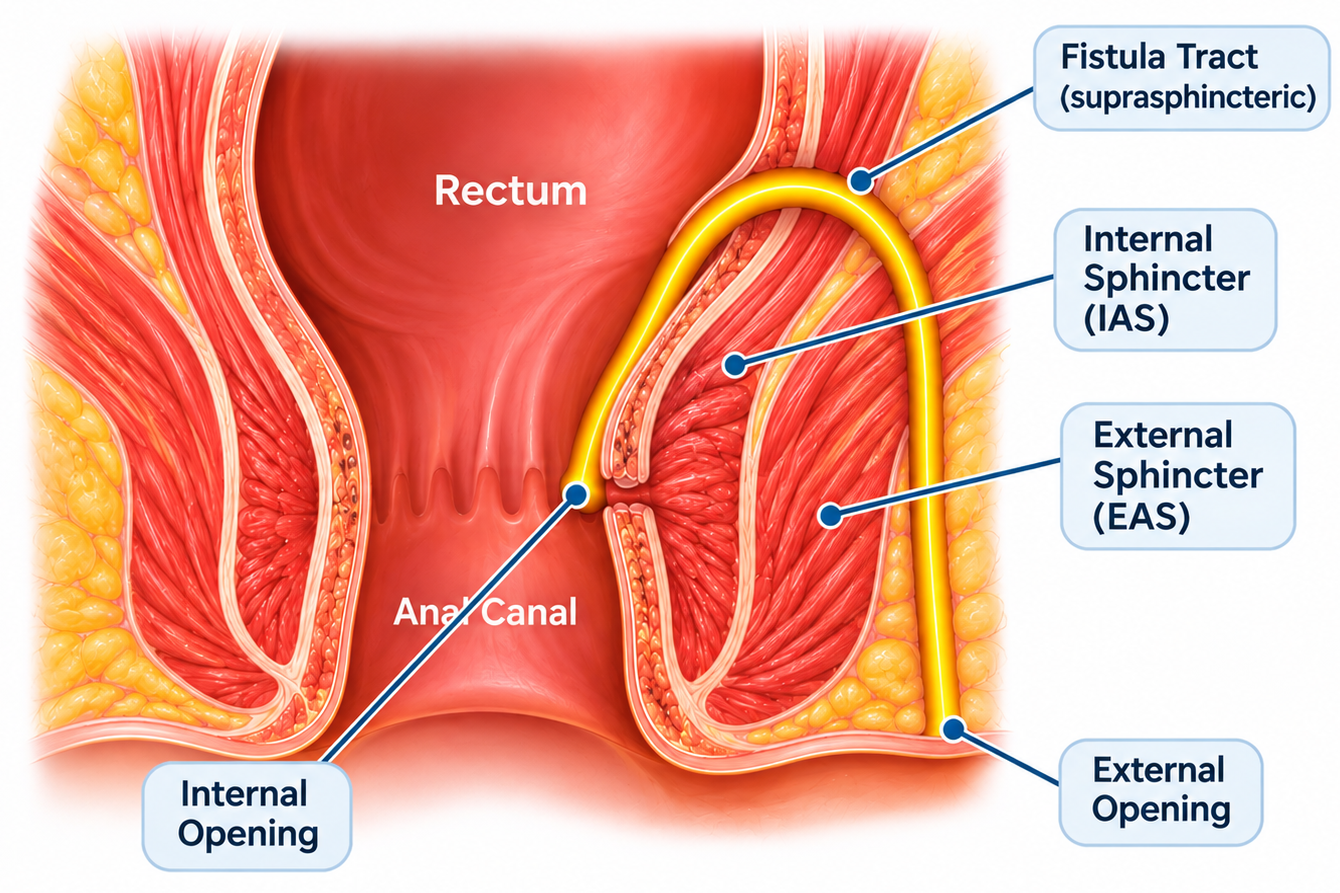
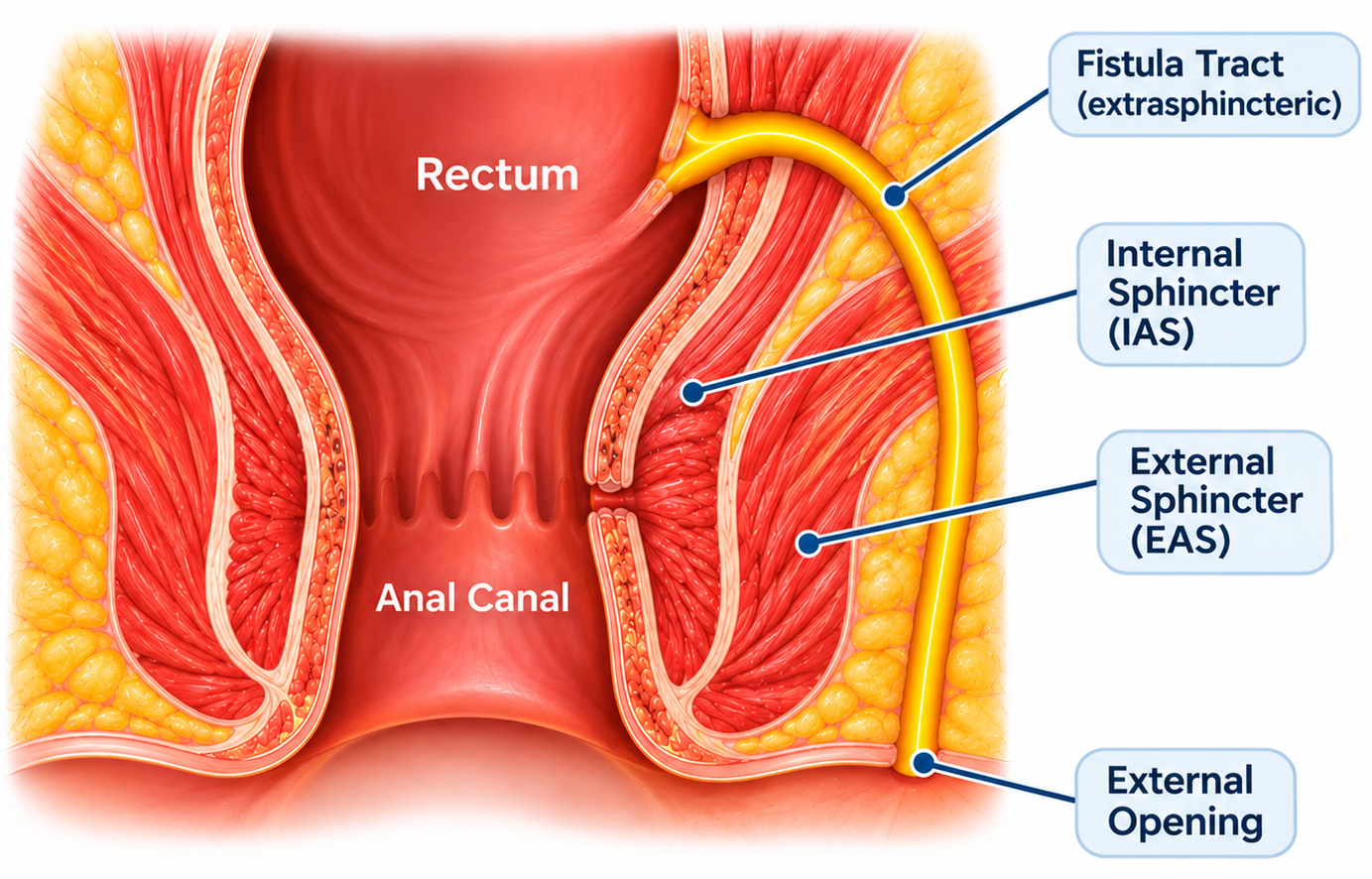
Fistulas are classified by their relationship to parts of the anal sphincter complex.
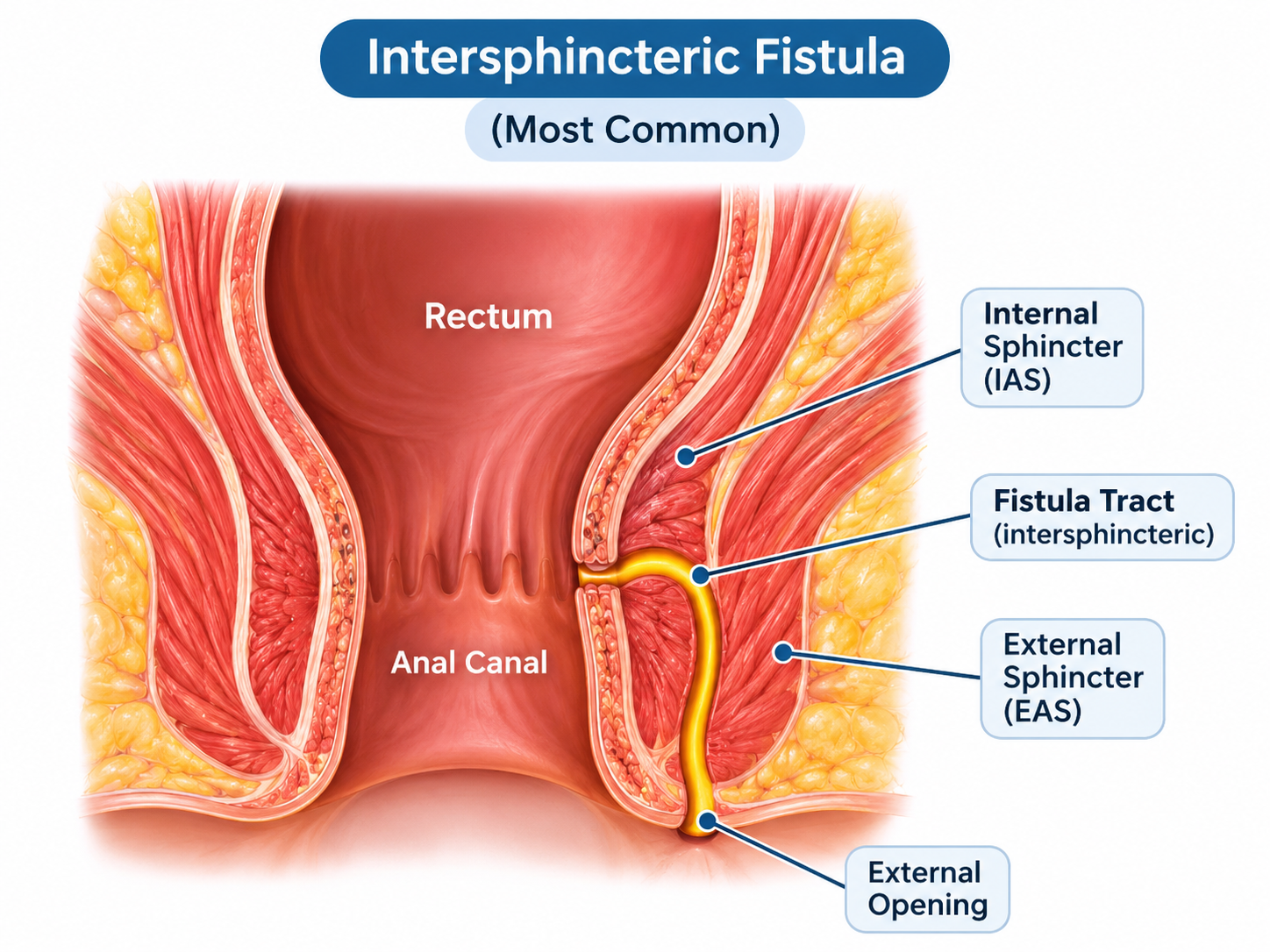
Intersphincteric anal fistula illustration
Intersphincteric (Most common)
Transsphincteric anal fistula illustration
Transsphincteric
Suprasphincteric anal fistula illustration
Suprasphincteric
Extrasphincteric anal fistula illustration
Extrasphincteric (Least common)
Based on complexity, risk of incontinence and risk of recurrence:
✓
Simple Fistula

Typically involves less than 30% of the external anal sphincter without complex features.

×
Complex Fistula
  • May involve more than 30% of the external sphincter muscle.
  • May be associated with pre-existing fecal incontinence, inflammatory bowel disease, or prior radiation.

Causes of Anal Fistula

  • Crohn's disease (Inflammatory disease of the intestine)
  • Colorectal cancer
  • Radiation (treatment for cancer)
  • Tuberculosis
  • Sexually transmitted infections (STIs)
  • Trauma
  • Diverticulitis

Symptoms of Anal Fistula

  • An opening on the skin around the anus
  • Pain and swelling around the anus
  • Bloody or foul-smelling drainage (pus) from an opening around the anus
  • Irritation of the skin around the anus
  • Bleeding
  • Frequent anal abscesses
  • Fever, chills, and a general feeling of fatigue

How is Anal Fistula Diagnosed?

The doctor will examine the area around the anus and look for an external opening. There can be drainage from the opening. An MRI fistulogram may be advised to get a better view of the fistula tract.
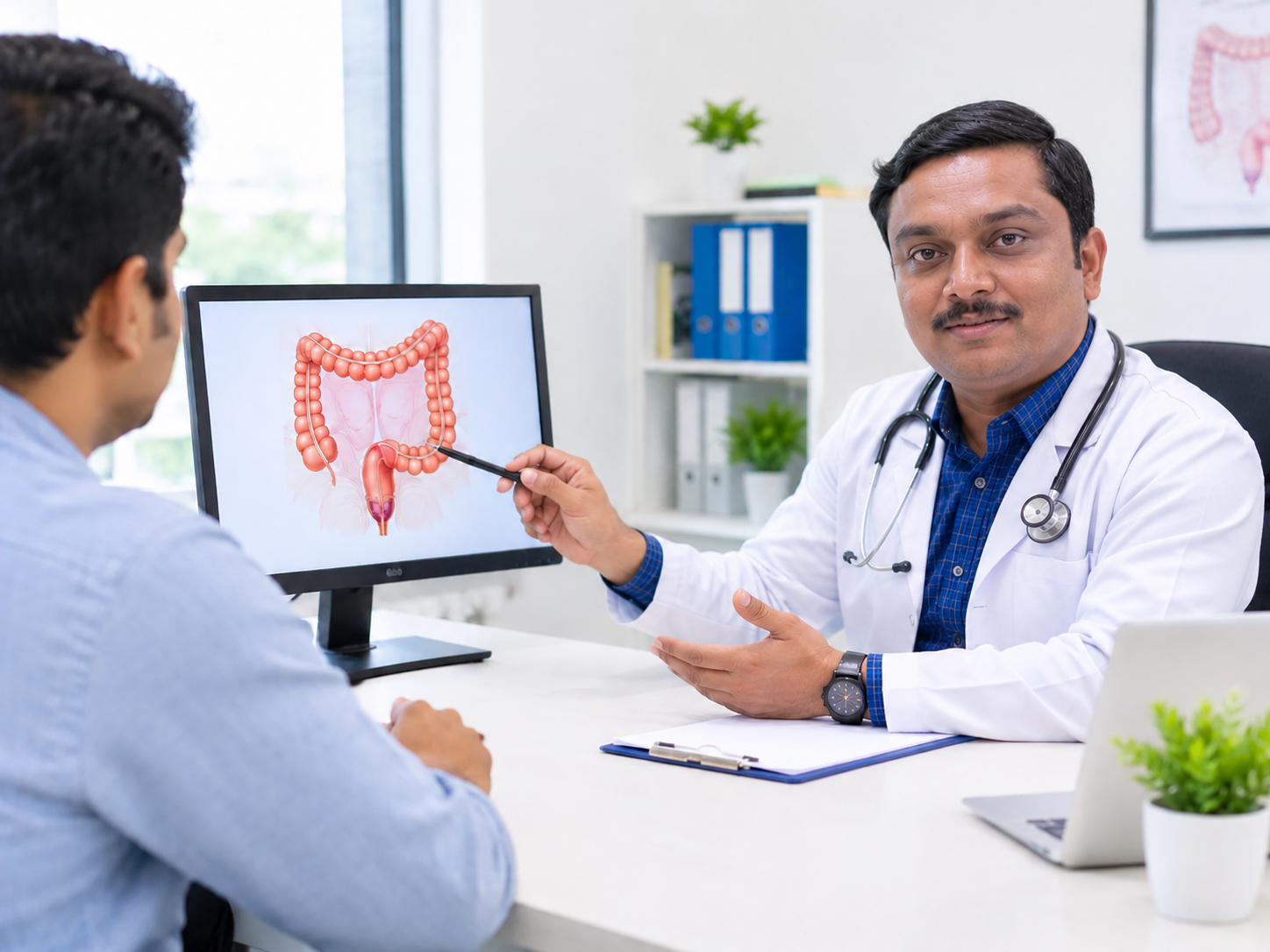
Doctor explaining patient about Anal Fistula Diagnose

Expert Care & Advanced Fissure Treatment in Bangalore

There are two main types of fistula surgery: Sphincter-Cutting Surgery and Sphincter-Preserving Surgery (SPS).

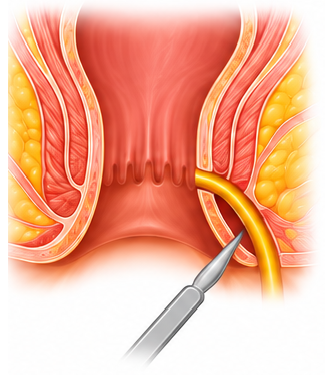
Fistulotomy surgical treatment illustration

Fistulotomy

(Part of Sphincter-Cutting Surgery)
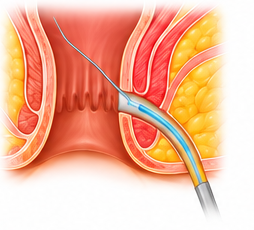
Ligation of the Intersphincteric Fistula Tract

Ligation of the Intersphincteric Fistula Tract (LIFT)

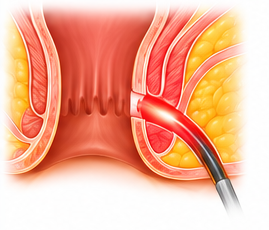
VAAFT fistula treatment procedure

VAAFT

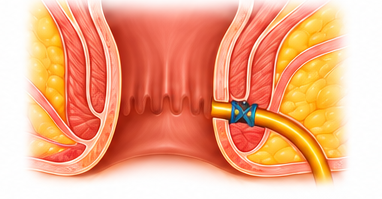
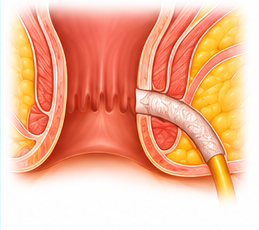
Anal fistula plug treatment illustration

Fistula Plug

PILTEC fistula treatment instrument

PILTEC

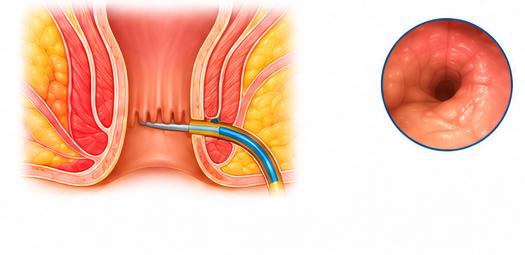
FiLaC fistula tract laser closure illustration

FiLaC

(Fistula-tract Laser Closure)

About FiLaC (Laser Closure)

FiLaC is a minimally invasive surgery designed to preserve the anal sphincter muscles. A flexible, radially emitting fiber-optic laser probe is inserted into the fistula tract from the outside. Laser energy is delivered along the tract as the probe is slowly withdrawn. The laser causes controlled thermal damage to the tract lining, helping the fistula tract contract and close.

FiLaC laser closure procedure for anal fistula

Post-operative Care After Fistula Surgery

  • Take sitz baths (15–20 minutes in warm water) three times a day and after each bowel movement, as advised by your surgeon.
  • A small amount of bleeding and discharge may be normal during early recovery.
  • Avoid constipation.
  • Take stool softeners if prescribed by your surgeon.
  • Clean gently with water after bowel movements and avoid rough wiping.
  • Apply prescribed ointment as directed.
  • Eat a balanced diet with plenty of fresh fruits and vegetables.
  • Drink adequate fluids throughout the day, unless medically restricted.

Contact your fistula surgeon at Happy Morning if you develop a fever above 100°F (37.8°C), significant bleeding, or severe or worsening pain.

Complications Associated With Fistula

  • Fecal impaction Hard stools get stuck inside the rectum.
  • Anal fistula recurrence The fistula may return after treatment.
  • Anal stenosis Narrowing of the anal canal.
  • Delayed or non-healing wound The wound may take longer than expected to heal.
  • Recurrence Persistent or returning fistula symptoms.
  • Extension to surrounding structures Untreated fistulas may develop additional tracts involving nearby tissues.

How to Prevent Anal Fistula?

  • Keep your anal area clean and dry.
  • Consume a fibre-rich diet.
  • Drink plenty of water.
  • Avoid straining while passing stools.
  • Seek treatment for diarrhoea, anal abscesses, and underlying medical conditions.
  • Maintain good personal hygiene.

Book Your Consultation

Get expert advice from our specialists and find the right treatment option for your condition.
Specialist consultation
Personalised treatment guidance
Confidential medical discussion
Book an Appointment

Frequently Asked Questions

What is an anal fissure?
An anal fissure is a small tear or cut in the lining of the anal canal. It can cause pain, burning, and bleeding during bowel movements.
What causes anal fissure?
Common causes include constipation, passing hard stools, excessive straining, chronic diarrhea, and trauma to the anal canal.
What are the symptoms of anal fissure?
Symptoms may include sharp pain during bowel movements, bright red blood on toilet paper, burning, itching, and a visible tear near the anal opening.
How is anal fissure treated?
Treatment may include a high-fiber diet, adequate hydration, warm sitz baths, stool softeners, and prescribed ointments. Chronic fissures may require procedures or surgery after specialist evaluation.
Can anal fissure recur after treatment?
Yes, anal fissures can recur, particularly when constipation or straining continues. Maintaining soft stools, adequate fiber intake, and good bowel habits can help reduce the risk of recurrence.

Book Your Consultation

Get expert advice from our specialist and find the right treatment option for your condition.

Book an Appointment
Doctor at Happy Morning Piles Clinic