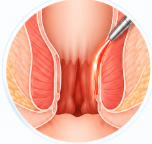
Happy Morning Piles Clinic

Anal Fissure Treatment in Bangalore

Expert care for effective relief from anal fissures with advanced and minimally invasive treatment options.

  • Specialized Care
  • Advanced Laser Technology
  • Minimally Invasive Options
UNDERSTAND

What is Anal Fissure?

Anal fissure is any break, tear, or discontinuity in the mucosal lining of the anal canal. The mucosa of the anal canal contains several mucous glands that secrete mucus to keep the anal lining moist.
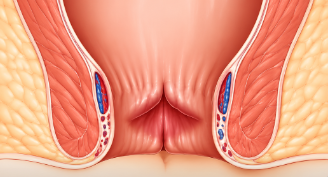
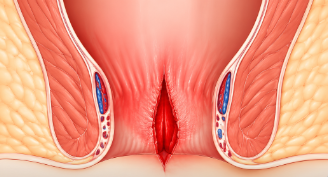
Normal Anal Canal
Normal Anal Canal
Anal Fissure Tear
Anal Fissure (Tear)

Types of Anal Fissures

Acute Anal Fissures

Superficial fissures present for less than 6 weeks.

Chronic Anal Fissures

Fissures present for more than 6 weeks, with thickened edges and skin tags.

Primary Anal Fissures

Occur due to direct or primary causes that damage the mucosal lining.

Secondary Anal Fissures

Develop secondary to other underlying medical conditions like Crohn's disease.

Causes of Anal Fissure

Chronic constipation
Chronic diarrhea
Straining while passing stools
Anal sex
Obstructed defecation syndrome
Infant dyschezia
Sexually transmitted infections (STIs)
Inflammatory bowel disease (IBD)
Anal tumors
Tuberculosis (TB)

Symptoms of Anal Fissure

A visible tear or slit in the skin around your anus.

A small lump, boil, or skin tag near the tear.

Severe, throbbing anal pain during bowel movements.

Persistent pain after a bowel movement that can last for several hours.

Streaks of blood in the stools.

Burning sensation and itching in the anal area.

Advanced Fissure Treatment in Bangalore

Treatment depends on the duration and severity of the condition. Conservative methods are usually the first line of treatment, while medications and surgery may be recommended if the fissure does not respond to these methods.

1. Conservative Methods

Fissures may heal within a few weeks with simple home treatments.

  • ✓High-fiber diet (fruits, vegetables, whole grains).
  • ✓Drink at least 2 liters of water daily, unless fluid restriction is advised.
  • ✓Sitz bath – warm water for 15–20 minutes, especially after bowel movements.
  • ✓Use petroleum jelly around the anal region to prevent dryness.

2. Medication

Medications help reduce pain, relax the anal muscles, and promote healing.

  • ✓Nitroglycerin ointment – improves blood flow and relaxes the anal sphincter.
  • ✓Calcium channel blockers – relax anal muscles.
  • ✓Botox injections – relax anal sphincter muscles for several months.
  • ✓Bulk laxatives – soften stool and reduce pressure during bowel movements.

3. Surgical Treatment

May be recommended when fissures do not heal with medication or if they recur.
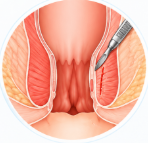
Lateral Internal Sphincterotomy (LIS)

Lateral Internal Sphincterotomy
  • Minor surgical procedure.
  • Reduces pressure inside the anus.
  • Usually takes around 20–30 minutes.
  • Risks and suitability should be discussed with a surgeon.

Laser Fissure Surgery

Laser Fissure Surgery
  • Laser-based procedure.
  • Uses laser energy to treat selected fissure-related tissue.
  • Availability and effectiveness depend on the procedure.
  • Discuss benefits and risks with your surgeon.

Complications Associated With Fissures

  • Fecal impaction – hard stools get stuck inside the rectum.

  • Anal fistula

  • Anal stenosis – narrowing of the anal canal.

  • Failure healing – fissure that does not heal after 8 weeks is considered chronic.

  • Recurrence

  • Tear extending to surrounding structures – if left untreated, the tear can extend to nearby structures, especially the internal anal sphincter muscles.

How to Prevent Anal Fissures?

  • Keep your anal area clean and dry.

  • Consume a fibrous diet to promote easy bowel movements.

  • Drink plenty of water.

  • Avoid straining while passing stools.

  • Treat diarrhea or any other underlying medical condition.

  • Maintain good hygiene.

  • Exercise regularly.

Frequently Asked Questions

What is an anal fissure?
An anal fissure is a small tear or cut in the lining of the anal canal. It can cause pain, burning, and bleeding during bowel movements.
What causes anal fissure?
Common causes include constipation, passing hard stools, excessive straining, chronic diarrhea, and trauma to the anal canal.
What are the symptoms of anal fissure?
Symptoms may include sharp pain during bowel movements, bright red blood on toilet paper, burning, itching, and a visible tear near the anal opening.
How is anal fissure treated?
Treatment may include a high-fiber diet, adequate hydration, warm sitz baths, stool softeners, and prescribed ointments. Chronic fissures may require procedures or surgery after specialist evaluation.
Can anal fissure recur after treatment?
Yes, anal fissures can recur, particularly when constipation or straining continues. Maintaining soft stools, adequate fiber intake, and good bowel habits can help reduce the risk of recurrence.

Book Your Consultation

Get expert advice from our specialist and find the right treatment option for your condition.
Book an Appointment
Doctor at Happy Morning Piles Clinic