
Happy Morning Piles Clinic

Circumcision Treatment in Bangalore

Safe, precise and minimally invasive circumcision for better hygiene and long-term health.

Minimally Invasive Options
Expert Surgical Care
Quick Recovery
Personalised Care

What is Circumcision?

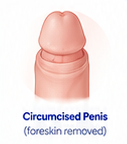
Circumcision is a surgical procedure in which the sleeve of skin and mucosal tissue that covers the glans (head) of the penis (foreskin) is removed. It is a common practice in many regions of the world and is performed for medical, hygiene or religious reasons.
Medical illustration of uncircumcised penis with foreskin

Uncircumcised Penis

(With Foreskin)

Medical illustration of circumcised penis with foreskin removed

Circumcised Penis

(Foreskin Removed)

Benefits of Circumcision

Easier hygiene and cleaning of the penis

Reduced risk of certain urinary tract infections

Lower risk of certain sexually transmitted infections

Helps prevent some foreskin-related problems

Reduced risk of penile cancer

Conditions Where Circumcision is Needed

Phimosis – Tight foreskin that is painful or difficult to pull back from the penis head.

Paraphimosis – Foreskin trapped behind its initial position, causing swelling and restricted blood flow.

Balanitis – Inflammation of the glans (penile head).

Posthitis – Inflammation of the foreskin.

Balanoposthitis – Inflammation of the glans as well as the foreskin.

Lichen sclerosus – A chronic inflammatory condition that may cause white patches and scarring on the foreskin.

Religious or cultural reasons

Diagnosis for Circumcision

The doctor will ask a few questions about your medical history, prior infections or injuries, and whether foreskin-related issues (such as phimosis, balanitis or paraphimosis) are affecting your daily life or sexual health. A thorough physical examination of the penis and foreskin will be done. In some cases, urine tests or a swab from the foreskin may be advised to rule out infections.
Doctor explaining to patient about Circumcision treatment

Laser Circumcision Surgery in Bangalore

We offer advanced treatment options based on your condition, age and preference.

Laser Circumcision

Laser-assisted technology allows precise removal of the foreskin and may help control bleeding during surgery.

  • ✓ Precision – Targets the required tissue without unnecessary injury to surrounding skin.
  • ✓ Reduced bleeding – Laser technology may help seal small blood vessels.
  • ✓ Healing – Recovery varies by technique and individual patient.
  • ✓ Infection prevention – Proper wound care helps lower infection risk.
  • ✓ Pain management – Anaesthesia and medicines help manage discomfort.

Stapler Circumcision

A specialized circular stapler device removes the foreskin and closes the wound using small surgical staples.

  • ✓ Modern technique – Device-assisted circumcision for suitable patients.
  • ✓ Short procedure – Surgery is generally brief, depending on the case.
  • ✓ Staple closure – Small staples replace conventional hand-placed stitches.
  • ✓ Controlled bleeding – The device helps control bleeding.
  • ✓ Day-care procedure – Many patients can return home the same day.

Advantages of Stapler Circumcision

Modern device-assisted technique

Generally short procedure

Fertility generally unaffected

Gradual return to normal activities

Wound care and follow-up required

Frequently Asked Questions

What is circumcision?
Circumcision is a surgical procedure in which the foreskin, the fold of skin covering the head of the penis, is removed. It may be performed for medical, religious, cultural or personal reasons.
Why is circumcision done?
Circumcision may be recommended for certain medical conditions such as troublesome phimosis, recurrent balanitis or other foreskin-related problems. It may also be chosen for religious, cultural or personal reasons. A specialist can determine whether circumcision or an alternative treatment is appropriate.
Is circumcision painful?
Circumcision is performed with suitable anaesthesia to help prevent pain during the procedure. Some discomfort, swelling or tenderness may occur afterward. Pain-relief medication and proper wound care can help manage postoperative discomfort during healing.
How long does it take to recover?
Recovery depends on the patient's age, surgical technique and individual healing. Adults generally require approximately 4 to 6 weeks for complete wound healing, although light daily activities may be resumed sooner. Follow your surgeon's instructions regarding exercise, work and sexual activity.
Are there any risks or side effects?
Circumcision is generally safe when performed by a qualified medical professional, but possible risks include bleeding, infection, swelling, pain, scarring and changes in sensation. Rare complications may require additional treatment. Your doctor will discuss the potential benefits and risks before surgery.

Book Your Consultation

Get expert advice from our specialist and find the right circumcision treatment option for your condition.

Book an Appointment
Doctor at Happy Morning Piles Clinic